Resources: Animals
The Basics
- Protect your pets from environmental hazards
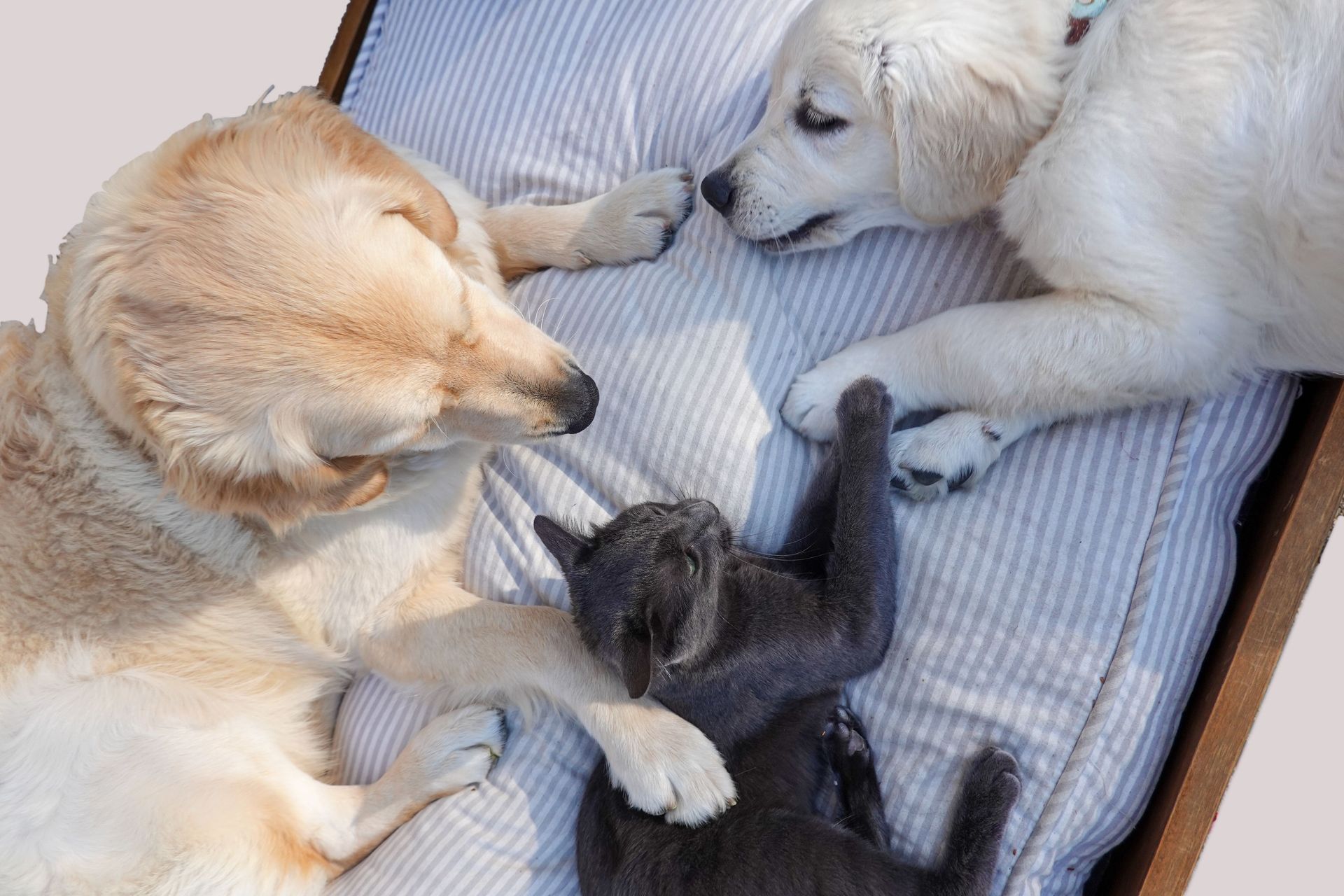
Like us, our pets are impacted by poor air quality, poor water quality, extreme heat, and extreme cold. Review these websites to learn how to protect your pets.
- Know what to do in a wildlife encounter
As the environment changes, wildlife are more likely to wander into residential areas. In the case of a wildlife encounter, follow this advice from the DWR to keep yourself and the animal safe.
- Prepare your livestock
Explore these
drought resources for agricultural producers, plus a guide on
preparing for disasters.
Additional Resources
Pet Owners
Poor air quality impacts our pets too. Learn tips to protect your animals from wildfire smoke.
Tips for keeping your pet healthy when recreating in pools, lakes, beaches, and boats.
This CDC article explains how to be prepared to keep you and your pets safe in case of a disaster or emergency situation.
Wildlife
Utah State University: Call From the Wild
This article explains how environmental change impacts wildlife's habits and what you can do to protect wildlife that wanders into your neighborhood.
Moose encounters in neighborhoods in Wasatch County are increasing. Read this article to know what to do when you spot one.
Learn more about how air quality impacts the plants and animals in an ecosystem.
By using this app to report roadkill to the DWR, you can help determine where additional fences, migration structures, and other protections for wildlife are needed.
Livestock
Post-Fire Livestock Management
This flyer can help you quickly understand how to manage livestock after a wildfire.
Explore a variety of wildfire-related resources for livestock managers and agricultural producers offered by the Utah Department of Agriculture and Food.